
FROM THE HEART OF WAIANAE MOKU
The Ulana Institute is a catalytic community redevelopment project building historical preservation, social and energy resilience, and pride for Kānaka Maoli, Filipinos, and the many Pasifika communities that call West Oʻahu home.
Carrying forward the land recovery and collective ownership tradition of the 1800s Hawaiian land hui movements, Ulana aims to establish a permanent community land base in Waiʻanae: a place that helps heal the loss of cultural foundations and the racial and economic divisions created by plantation hierarchies.
Rather than starting with vacant land and building from scratch, Ulana acquires existing properties and transforms them into community assets. We see this as both a practical development strategy and a new model for community power building: community organizers and institutions becoming (re)developers themselves, acquiring land before it becomes another strip mall, fast-food restaurant, luxury development, or extractive investment.
Arising from a community-led visioning process across West Oahu, The first Ulana Campus will fill the gaps not yet being met by other businesses and organizations. Ulana aims to rematriate multi-purpose facility anchored by a living museum, cultural center, and resilience hub. It will host exhibits, conduct and publish research, and serve as a gathering space and botanitcal garden for community members and partner organizations.
Over time, the model can expand into additional properties supporting food and energy storage, housing, retreat and training centers, cultural production, and other community needs.
ABOUT ULANA
To
Rediscover
Community
& Cultural
Pride
Imagine a child from Waiʻanae walking into a museum and discovering that the people who look like her are not a footnote in someone else’s history.
Her grandmother’s weaving is there.
The stories of Filipino plantation workers are there.
The Hawaiian families who pooled their resources to buy land together are there.
The women who held families and movements together through plantation life, displacement, disasters, and political upheaval are there.
Centuries old pōhaku kuʻi poi are there.
But culture lives beyond glass cases. It is more than something that ended long ago.
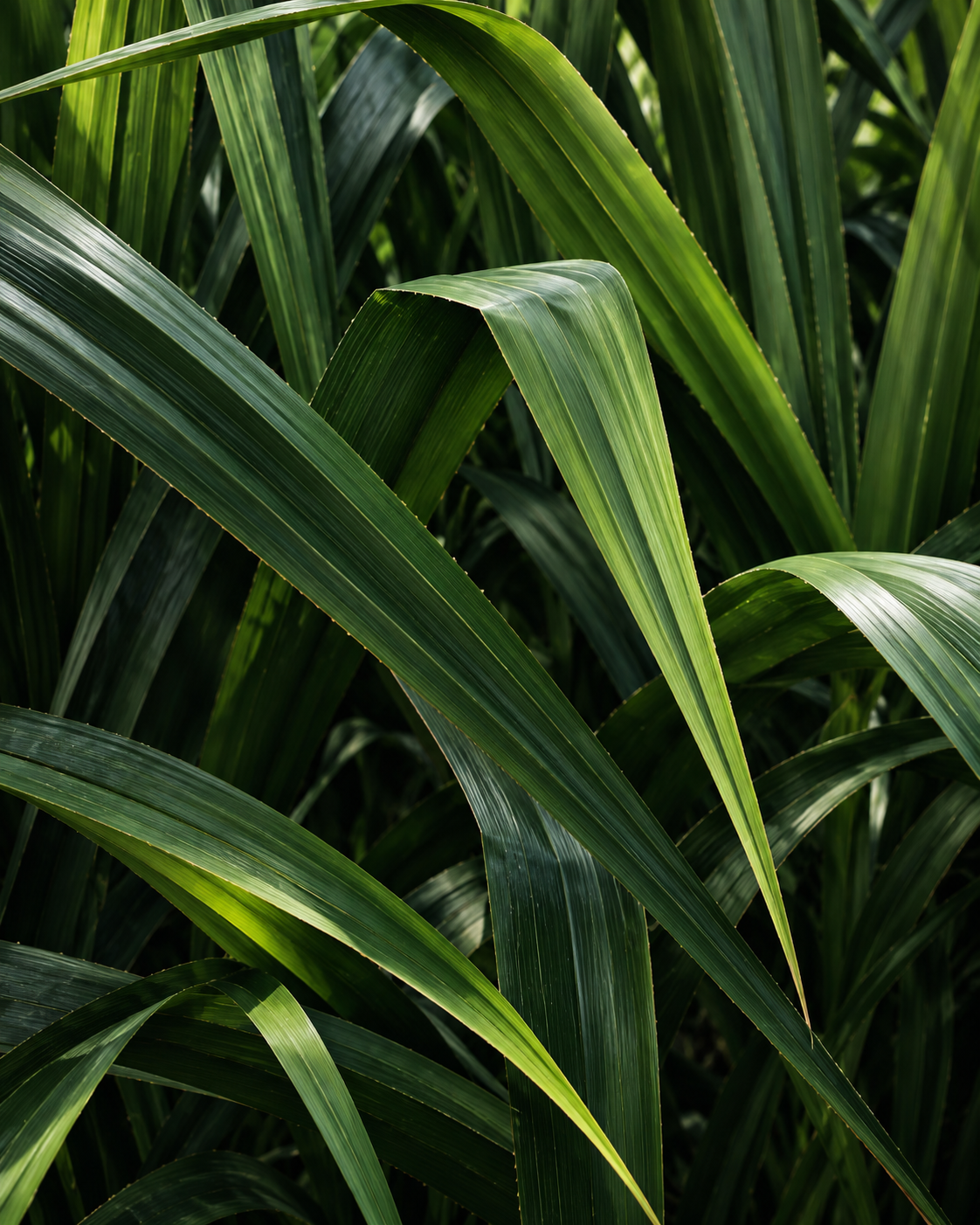
Outside, people are growing hala, ʻulu, kalo, and the plants their grandparents knew.
Inside another room, a young person is learning about solar power, batteries, artificial intelligence, and technologies that will shape their future.
A visiting chef is preparing dinner. An artist is beginning a residency. A documentary about Hawaiʻi is screening that night. Kupuna are talking story. Organizers are meeting about the next campaign. Families are gathering for an event.
Then imagine a wildfire, hurricane, flood, or extended power outage. The same place becomes somewhere the community already knows and trusts. Its batteries keep communications operating. Supplies are distributed. Information is shared. Relationships built during ordinary times become infrastructure during extraordinary ones.
She leaves knowing that she is more than a rich man’s labor force. That she is in control of her own future. She is a leader in the place that she lives.
That is Ulana. Culture, resilience, technology, memory, and community power occupying the same physical space.
OUR VISION
WHAT WE MEAN BY
RESILIENCE
Ulana focuses specifically on social resilience and energy resilience.
Social resilience means building the knowledge, patience, trust, institutions, and relationships necessary for people to make something together. And to collectively respond when systems fail.
Energy resilience means building the capacity for our community to maintain, restore, and share power and internet during and after disasters, reducing dependence on systems that may fail when they are needed most.
Our experience in Lahaina taught us that resilience cannot begin the morning after a disaster. The relationships, institutions, infrastructure, education, and trust have to exist before the emergency. Ulana builds that infrastructure during ordinary times. Hawaii’s resilience is in our relationships.
WHY WAIʻANAE
We spoke with leaders from leeward communities across the islands. Again and again, we heard versions of the same story: one road in and out; development outpacing infrastructure; colonial patterns of land mismanagement; invasive vegetation such as koa haole and guinea grass intensifying wildfire risk; government disinvestment; industrial and waste sites concentrated near working-class communities; and neglect by utilities and other institutions responsible for basic infrastructure. These are challenges shared across rural, Indigenous, and island communities throughout Hawaiʻi and the Pacific.
What happened in Lahaina must never happen again. We want Waiʻanae to demonstrate what it looks like to prepare before disaster, rebuild community power before it is tested, and create models that can be shared with communities facing similar threats throughout Hawaiʻi and across the Pacific.
The ULANA MARK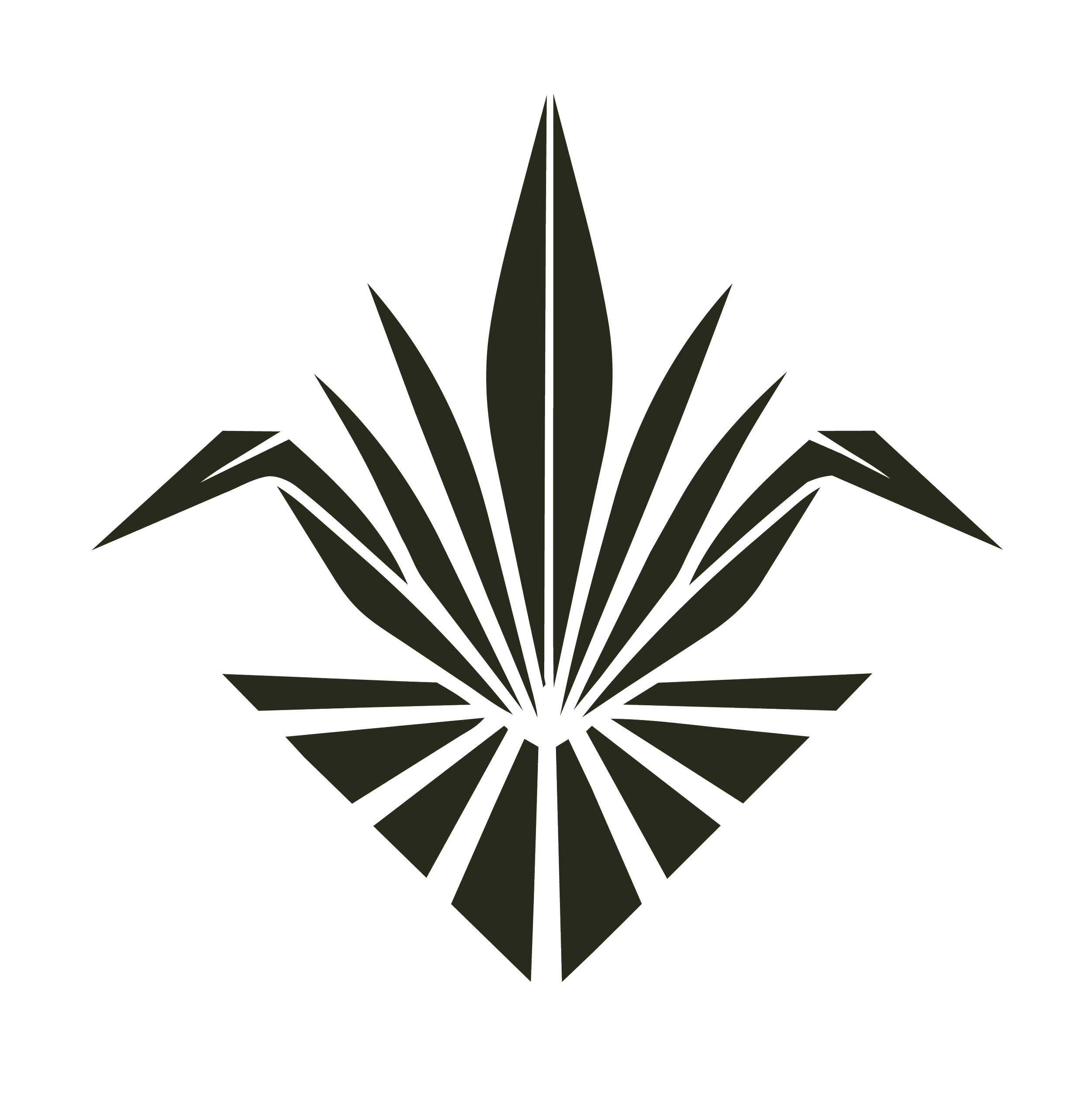
Hala / Pandan
The square is a place. The enclosing form represents Ulana as a physical gathering place. It’s a kahua where people come together to learn, create, organize, and build relationships. It is a container for collective work rather than simply a decorative border.
The young hala represents becoming. The plant is deliberately shown young: alive, growing, and not yet transformed into a finished object. Rather than using the familiar image of an already-completed weave, Ulana represents the living source from which weaving becomes possible. That connects directly to the idea of a living museum: culture practiced and produced, not simply displayed.
Live hala is protected by thorns. In fact, master weavers say the most desirable hala for weaving can also be the most difficult to handle. Preparing it takes patience, skill, and cultural knowledge. That tension is central to the symbol: the most beautiful things are dangerous. What appears difficult or sharp-edged to someone unfamiliar with it becomes extraordinarily useful in knowledgeable hands.
That becomes a metaphor for pilina across peoples and cultures. Ulana isn’t suggesting that people build solidarity by smoothing away their differences. We each come from distinct roots, histories, places, and experiences. Relationship requires knowing ourselves while learning how to care for what others carry.
The triangle motifs are hala. The small triangular forms reference hala motifs found in uhi, grounding the highly abstracted plant in the visual language of the place where Ulana is rooted.
Eight rays anchor the mark. The negative space created by the hala’s prop roots becomes eight radiating forms across the lower portion of the emblem. They also carry a specific Filipino resonance, evoking the eight-rayed sun of the Philippine flag and the eight provinces associated with the Philippine Revolution. It is one layer within a larger Pacific story rather than the definition of the whole mark.
The upper half is the living plant. The young hala/pandan rises above storm-resistant roots. Pandanus carries meaning far beyond any single community. It is a culturally important plant across Hawaiʻi, the Philippines, Pasifika, Southeast Asia, and the wider Pacific world. It therefore becomes a living symbol for Ulana’s larger geography. From Hawaiʻi to the Philippines and everything in between.
That geography is not meant to collapse us into a single identity. It is an invitation to begin with our own roots, to better understand who we are and where we come from—and from that grounding, build deeper pilina with one another.
Ulana begins before the weaving.
That’s what differentiates this from the familiar use of woven patterns as shorthand for “community.” The mark isn’t depicting the desired finished product. It’s depicting the living, complicated material. and the knowledge, patience, and relationships required to make something together.